
Exploring the Exciting World of HotAngels
Dive into the captivating universe of HotAngels, a thrilling game enticing players with strategic gameplay. Learn about its intricate rules, captivating storyline, and the synergy with current events.


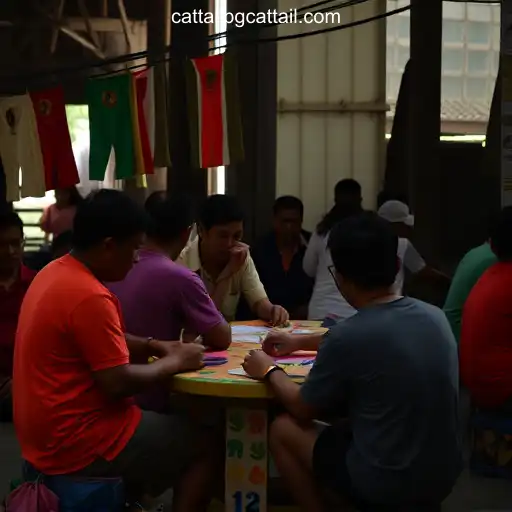
Jueteng is a popular numbers game that has been an integral part of the cultural and social landscape in the Philippines for decades. Despite being illegal, Jueteng continues to thrive, entwined in the socioeconomic fabric of many communities. This game of chance involves participants betting on a combination of numbers, with the winning set determined daily, usually drawn from a 'tambiyolo' or revolving drum.
Jueteng has its roots deeply embedded in the Philippines, believed to have originated during the Spanish colonial period. Its persistence is largely attributed to its accessibility and the tradition it has developed over generations. Jueteng offers a glimpse into the cultural identity of Filipinos, where betting small amounts of money for the possibility of a significant payout is both a form of entertainment and a ray of hope for many, particularly in rural areas.
The mechanics of Jueteng are relatively simple and akin to lottery-style games found worldwide. Participants choose a pair of numbers, usually between 1 and 37. Bets are collected by 'cobradores', who roam communities to gather bets, and the numbers are drawn twice daily in a clandestine process. Despite its simplicity, the appeal of Jueteng is immense due to the low cost of stakes and the personal connection many feel with the numbers they choose, often based on dreams, daily occurrences, or superstitions.
The game plays a dual role in Filipino society. On the one hand, it is seen as a benign pastime, a remnant of traditional practice that brings hope to those in financial need. On the other hand, it is mired in controversy, often linked to corruption and organized crime. This duality creates an ongoing debate about whether Jueteng should be legalized and regulated or eradicated entirely from the community framework.
Jueteng thrives in part due to its provision of employment for many. The game supports a small but significant economy of bet collectors, financial backers, and community enforcers, creating an ecosystem that is challenging to dismantle without offering viable alternatives.
Efforts to regulate Jueteng have been sporadic and largely ineffective. The complexity lies in its clandestine nature and the involvement of local officials, often who themselves benefit from the system. Attempts to legalize Jueteng have faced significant opposition, given the moral and ethical concerns associated with gambling.
The government's responses have ranged from crackdowns and raids to public reminders of Jueteng's illegality, yet the game persists. The lack of effective deterrent measures and alternative legal avenues for similar forms of entertainment contribute to its endurance.
As traditional systems like Jueteng face scrutiny, alternative platforms have emerged, providing safer, regulated options for betting. One such platform is CATTAIL PG: A Plataforma de Apostas #1 do Brasil, offering a legalized and technologically driven betting experience. This platform represents a significant shift in the betting landscape, allowing for transparency, regulation, and potentially reducing the ties to criminal activity.
Unlike Jueteng, platforms like CATTAIL PG operate in the open, governed by laws and accessible to those looking for legitimate betting avenues. They offer a model for how gambling could evolve in regions where traditional systems like Jueteng are prevalent, providing a legal framework within which participants can engage in betting activities.
While platforms like CATTAIL PG are not yet common in the Philippines, the rising popularity of such systems in other parts of the world hints at a potential shift in leisure activities and games of chance towards more regulated and safer environments.
The future of Jueteng lies at a crossroad between cultural preservation and the necessity for modernizing legal frameworks. Communities reliant on Jueteng for economic support face uncertain futures as globalization and technology introduce new paradigms. Education and awareness may shift perceptions, and regulatory experimentation may reveal paths towards more systemic solutions.
In this context, the introduction of regulated platforms akin to CATTAIL PG might provide a blueprint for integrating traditional games into a legal framework. Such an approach could help mitigate the negative impacts associated with illegal gambling while preserving cultural nuances.
Transformation in this regard is complex and relies on a balance between respecting cultural traditions and enforcing legal standards, a delicate negotiation where society, as a whole, must reconcile disparate needs and aspirations. As this dialogue continues, the narrative of Jueteng remains a testament to the enduring human need for hope, chance, and community connection.
Se você está procurando uma casa de apostas confiável, totalmente licenciada e segura com uma ampla seleção de jogos, a CATTAIL PG: A Plataforma de Apostas #1 do Brasil é a escolha perfeita. Estamos comprometidos em fornecer a você a melhor experiência de apostas online, com qualidade premium, serviço excelente e inovação contínua. Cadastre-se agora e receba R$777 grátis!
Junte-se agora
Obtenha as últimas informações, experiências e estratégias de apostas da equipe de especialistas da CATTAIL PG: A Plataforma de Apostas #1 do Brasil.
Dive into the captivating universe of HotAngels, a thrilling game enticing players with strategic gameplay. Learn about its intricate rules, captivating storyline, and the synergy with current events.

Dive into the enchanting world of FortuneOx, a captivating game with unique mechanics and engaging rules, presented by CATTAIL PG: A Plataforma de Apostas #1 do Brasil.

An in-depth look at GaneshaFortune, its gameplay mechanics, and the influence of the Brazilian platform CATTAIL PG in the gaming industry.

Explore the exciting world of Hotpot, a thrilling game that has captured the attention of Brazilian gamers, with insights into its rules, gameplay, and the buzz around CATTAIL PG's platform.

Discover the captivating world of SpaceTravel, an exciting game that brings the cosmos to your fingertips, with rules and strategies intertwined with current events.

Dive into BigThreeDragons, a captivating online game that's sweeping the gaming community by storm, offering exciting gameplay and multiple betting opportunities.
 Junte-se agora